CROATIA · UNESCO HERITAGE
Diocletian’s Palace in Split: A UNESCO Heritage Guide
A Roman palace that became a living city
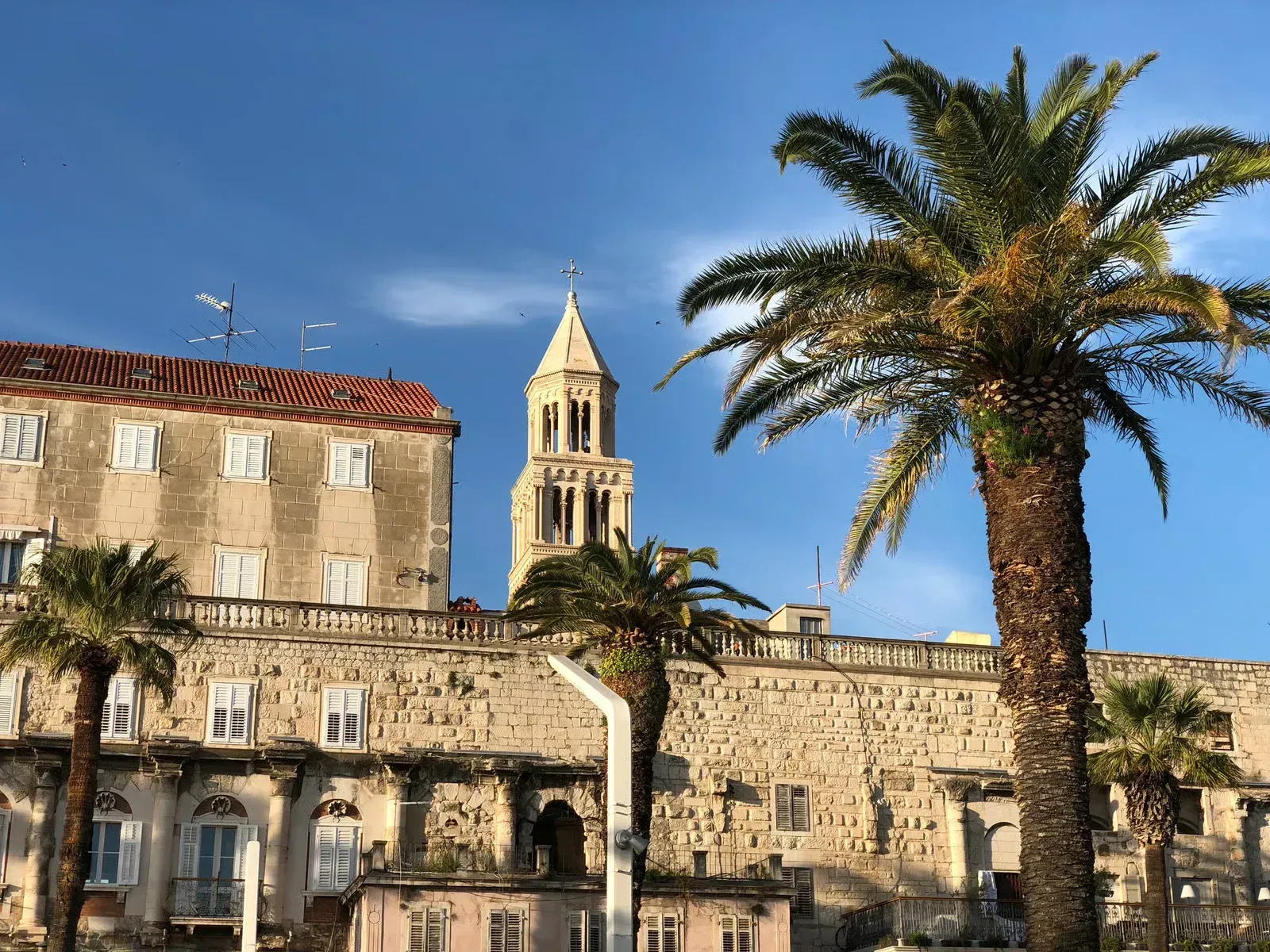
Diocletian’s Palace is the best place to begin understanding Split. Its stone passages are part of the city’s daily rhythm, so a visit works best as a walk through a living neighbourhood rather than a checklist of ruins. Our suggestion is to leave room for questions, a pause in the shade and the small details that bring the buildings into focus.
Why Split is a UNESCO World Heritage Site
The Historical Complex of Split with the Palace of Diocletian joined the World Heritage List in 1979. The palace dates from the late third and early fourth centuries. Later generations adapted its structures rather than replacing the entire settlement: the imperial mausoleum became the cathedral, while Romanesque churches and Gothic, Renaissance and Baroque buildings added new layers to the protected centre. UNESCO’s official listing explains why the wider historical complex matters, not simply one monument.
What to look for on a private walk
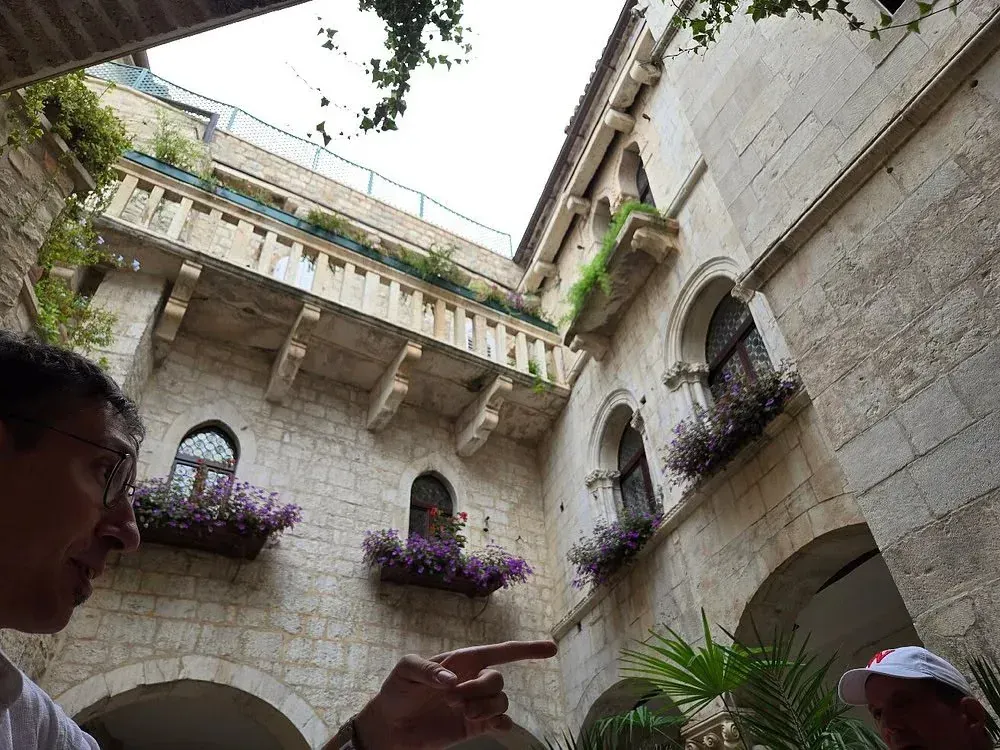
Use the Peristyle as a point of orientation, then follow the relationship between monumental spaces and the narrower lanes around them. A useful question for your guide is how each space changed function over time. That approach makes a doorway, a courtyard or a reused wall as interesting as a grand façade.
We recommend choosing your priorities before setting out. An architecture enthusiast may prefer more time examining the ancient fabric; a family may enjoy a story-led route with shorter stops. Cathedral interiors, the bell tower and underground spaces are different visits, so compare the inclusions of your chosen programme instead of assuming every ticket is bundled together.
Planning a comfortable visit
For an unhurried experience, choose a preferred start time that leaves breathing room around lunch, a ferry or your ship’s departure. Bring comfortable shoes for stone paving and tell us beforehand about mobility needs. A private walk can be paced around your party, but historic steps and uneven surfaces still need consideration.
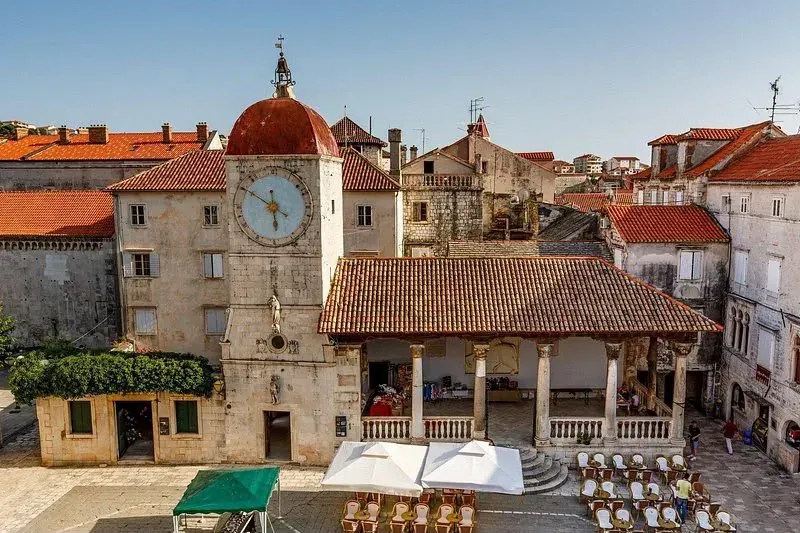
Split and Trogir can also be paired in one day. We would choose this combination when you want to compare two different urban stories, rather than simply collect another destination. If food is part of your interest, finish with a vineyard experience and allow the afternoon to slow down.
Explore Split with us
See our Private Split Walking Tour for a city-focused introduction, or discover the Private Split & Trogir Tour with Vineyard Wine and Sea View. Both pages show the programme, booking options and current inclusions. For a route shaped around a particular historical interest, tell us what you would love to explore.
Frequently asked questions
Is the palace only an indoor attraction? No. The visit takes place across a historic urban area; specific interiors have their own entry arrangements.
Can we choose our start time? Tell us your preference when planning your private experience, especially if you have a fixed departure afterwards.