DESTINATION JOURNAL · CROATIA
Top-Rated Shore Excursions in Croatia: How to Find the Right Private Experience
Searching for top-rated shore excursions in Croatia is a sensible place to begin planning a cruise day. Other travellers can help you imagine the guide, the pace and the moments that made a visit memorable. Yet a row of stars cannot choose the right excursion for your ship, your interests or the people travelling with you. The most useful review is one that helps you recognise an experience you would actually enjoy.
A couple who loved a long vineyard lunch may have wanted a different day from a family travelling with young children. A guest who enjoyed climbing Dubrovnik's walls may have different walking preferences from someone seeking a gentler introduction to the Old Town. Both can be excellent experiences. The important question is which version belongs in your time ashore.
This is a review-informed guide to choosing Croatian shore excursions, not an independently verified national league table. We explain how to interpret ratings, compare the content of tours and connect promising feedback with practical booking details. Our aim is to help you move from browsing to a confident choice: a private experience with a clear route, an appropriate pace and a return plan that respects your ship's schedule.
What a high rating tells you
A high rating suggests that the travellers who submitted those reviews were satisfied with their experience. That is useful evidence, particularly when comments describe the things you care about. Read beyond the numerical average to understand whether guests praise the guiding, the organisation, the meal, the scenery or simply the fact that they enjoyed being on holiday.
The rating belongs to a particular listing or business profile. Establish what it represents before applying it to a product you are considering. A company may organise walking tours, boat days and longer excursions, while an individual listing covers one specific route. Feedback for the whole company provides context, but it does not establish the exact inclusions of every outing.
Treat stars as a starting filter rather than a complete description. A highly rated excursion can still be too long, too physically demanding or too far from your port for your needs. The best use of reviews is to create a shortlist, then test each option against your actual day.
Read the review title and the experience together
Review titles can reveal what stayed with a traveller. A guest may remember a guide by name, the atmosphere at lunch or a particularly enjoyable walk. Those reactions are valuable because they point towards the human side of an excursion. A well-organised private day should offer more than transport between a set of coordinates.
The title alone remains a very short piece of evidence. It cannot tell you whether your requested language is available, whether a particular ticket is included or whether the route fits an earlier all-aboard time. Open the full review where possible, then return to the product's current description. Reviews describe a past experience; the booking page defines the outing being offered now.
When our website links to traveller feedback, use those source links to explore the comments in their original context. You can then compare the experience described with the tour you intend to reserve. That is more helpful than relying on an attractive quotation detached from its listing and date.
Review volume and recency deserve attention
An average based on a small number of comments and one based on a much larger set of experiences offer different amounts of information. Neither should be interpreted mechanically. A newer, specialised product may have fewer reviews, while an established broad listing may collect feedback across several years and many different types of guests.
Look at recent reviews alongside older ones. Recent comments can help you understand how the experience is currently being delivered, but seasonal context matters too. A quiet spring walk may feel different from a summer visit during a busy cruise day. The date of the experience can be more useful than the date on which someone finally posted their review.
Avoid making the decision on one unusually enthusiastic or unusually disappointed comment. Look for repeated, specific observations that concern your priorities. If several travellers discuss an attentive guide or a manageable pace, that is useful to explore. If the comments leave a practical question unanswered, ask it before booking.
Match the traveller to your own party

Family feedback is most useful when you understand the ages and interests involved. A teenager fascinated by ancient history and a younger child who needs frequent breaks may respond differently to the same walk. Look for clues about the rhythm of the day rather than treating the word family as a universal suitability label.
Couples can likewise want very different experiences. Some enjoy detailed interpretation and museum visits; others prefer food, wine or time on the water. A romantic description does not automatically mean that a tour matches your personal interests. Read for the content of the day and how it was delivered, not simply the occasion being celebrated.
For guests with mobility concerns, another traveller's positive experience can be encouraging, but it does not replace a specific access discussion. Steps, uneven surfaces, walking distances and boarding arrangements need to be considered for the exact route. Describe your needs directly so that the proposed experience can be assessed responsibly.
Check whether the review concerns a private or shared tour
Search results often place private excursions beside shared departures. The destination names may look similar, and both formats can receive excellent reviews. The experience on the day is different, however. A private guide or vehicle is reserved for your party under the agreed booking, while a shared product follows its own group arrangements.
Private touring allows a more personal conversation and can offer a pace better suited to your companions. It still operates within an agreed duration and itinerary. Public attractions remain public, opening hours apply and a guide cannot promise that a popular square will be empty. Flexibility works best when the essential requirements have been discussed in advance.
When comparing feedback, make sure the product type matches what you intend to buy. Praise for meeting other travellers on a shared boat does not describe a private coastal day. Equally, a review celebrating personal guiding is not a reason to assume that a separate guide accompanies every skipper-led boat outing.
Split walking tours: look for interpretation and connection
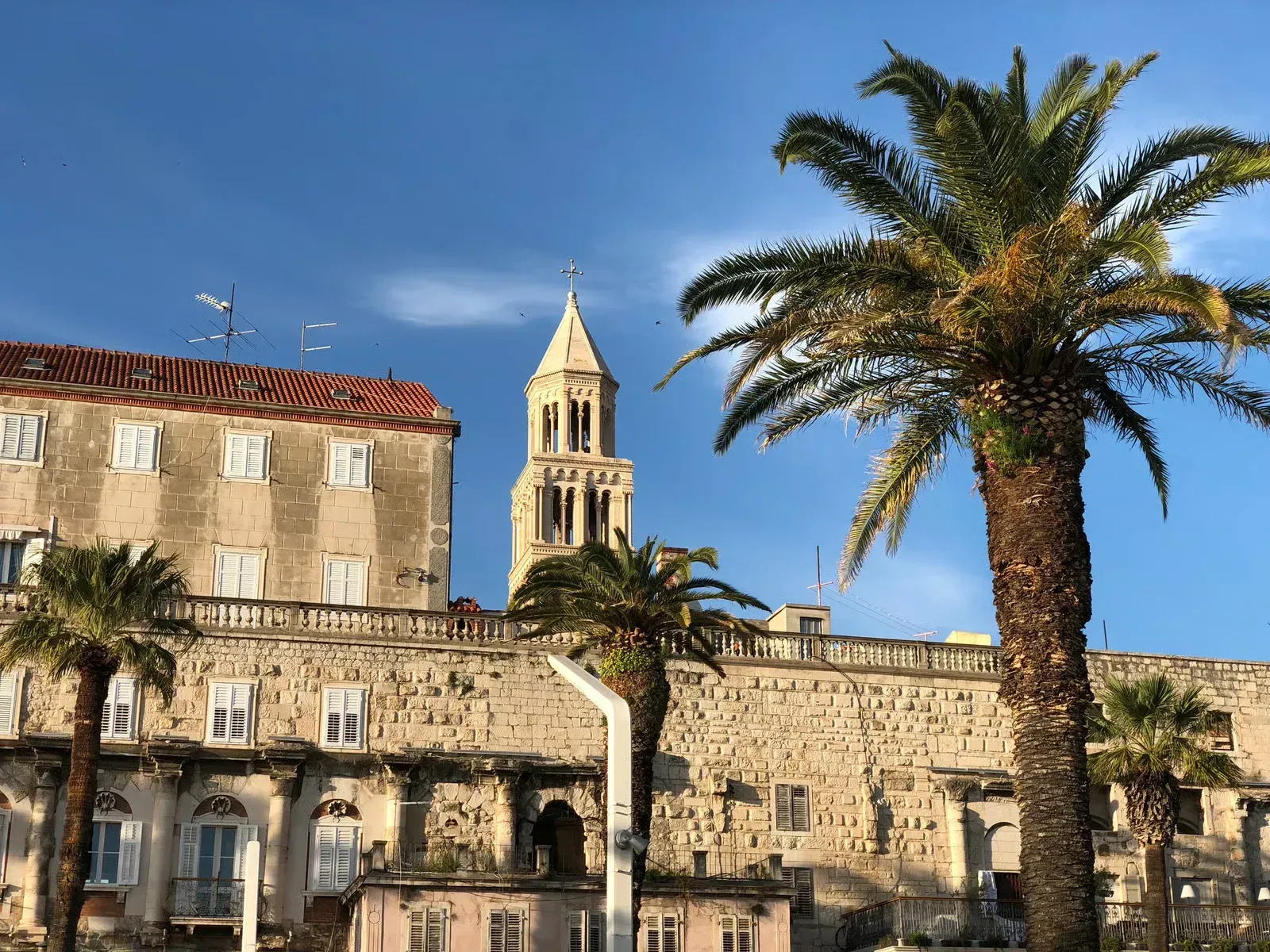
On a private Split walk, you will meet your private guide and begin discovering how the ancient palace and the later city fit together. Good guiding helps you recognise details that would otherwise pass unnoticed. The pleasure is often in a story, a question or a connection between a building and everyday life, rather than in the number of monuments named in the itinerary.
Useful reviews may discuss how the guide brought history to life, responded to questions or kept the visit comfortable. Read those comments alongside the advertised route. The Peristyle, Vestibule, palace passages and later squares can form a coherent introduction, but the inclusion of paid interiors depends on the chosen product.
For a cruise visit, check the meeting arrangements as carefully as the guide's reviews. A highly praised city walk still needs a clear plan for reaching the start and returning to the port. Choose the experience that gives you both an engaging introduction and time to enjoy it without watching the clock continually.
Split and Trogir: judge the balance of the day
A combined visit should make Split and Trogir feel distinct. In Split, the former imperial residence provides the framework; Trogir offers a compact historic town with its own streets and architectural character. The journey between them is part of the programme. A strong itinerary allows each place enough attention rather than using the second town merely as another stop on a list.
Look for feedback that describes the balance between guiding, driving and free time. A guest's enthusiasm about seeing two towns is useful, but you still need to know whether the advertised duration suits your call. Optional interiors, shopping and meals can all change the timing. The published scope should make the shape of the day understandable.
Our Split and Trogir products offer different ways to finish the experience. A gelato stop creates a different rhythm from a vineyard tasting or a chef-prepared meal. Compare the actual versions before selecting one. Reviews are most informative when they concern the same combination you are thinking of booking.
Vineyard experiences: the setting is part of the appeal

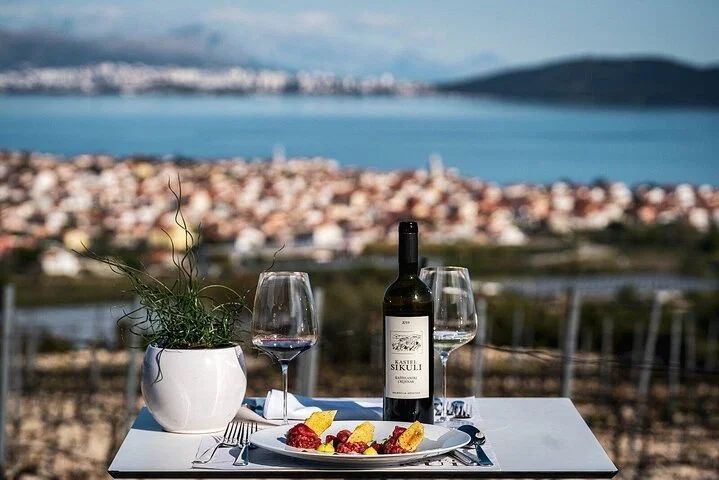
The hillside vineyard experience near Split brings together regional wine and a setting above the coast. Views towards the Adriatic, the surrounding vines and a pause at the table can make a memorable contrast with the historic streets. For travellers who enjoy food and place together, that contrast can be the main reason to choose the excursion.
When reading reviews, distinguish comments about the tasting from comments about a longer meal. A three-course programme is a different commitment of time and appetite. Look for the experience described, then check the current inclusions and any dietary arrangements you need. Guests who do not drink alcohol should discuss the format before booking rather than assume that every element has an automatic substitute.
The public name of a winery is not necessary to explain the experience. What matters is the confirmed setting, service and programme. For cruise passengers, the meal should have enough space in the schedule to feel relaxed, with the return journey already considered. A special table deserves more than the last hurried minutes of a port call.
Krka excursions: scenery, walking and the hosted experience
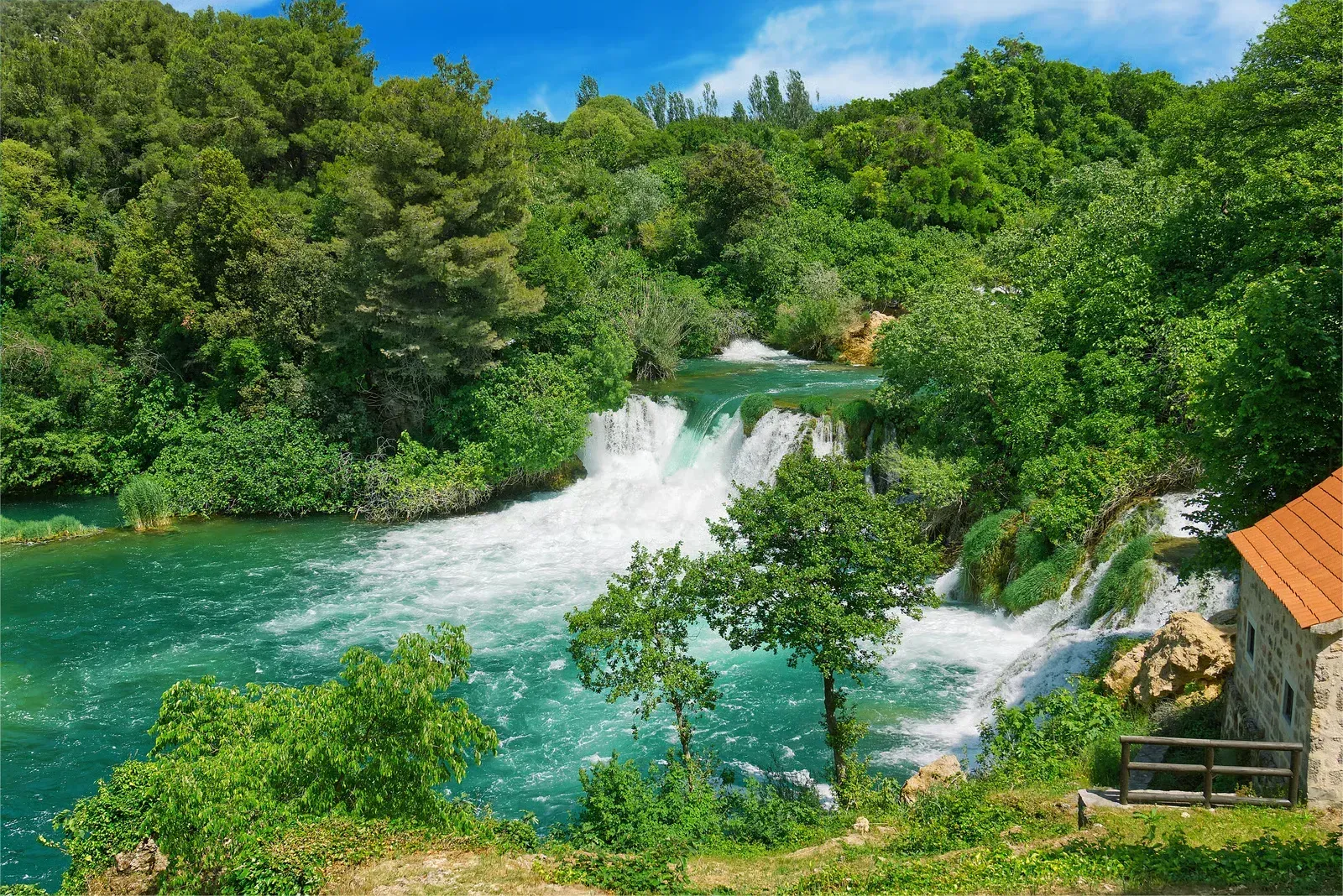
Krka reviews can reflect several different aspects of a day: the river landscape, the guide's organisation, the walking route or a regional tasting afterwards. Establish which parts belong to the listed product. A tour with wine, prosciutto and cheese and an outing built around a different lunch are distinct experiences, even when both visit the park.
A positive comment about the scenery does not remove the need to consider walking requirements. Describe difficulties with steps, uneven ground or sustained walking before reserving. The vehicle journey and the park visit each need adequate time. For a cruise booking, the starting port and the return schedule are essential to judging suitability.
Check current ticket arrangements on the product page. Relevant national park day tours exclude admission, and there is no swimming at Skradinski buk. Older reviews may refer to experiences that are no longer permitted or to a different programme. Current official rules and your written booking should guide the day you are buying.
Dubrovnik: choose between the Old Town and the walls deliberately
Dubrovnik's streets and walls offer related but different experiences. A private Old Town walk can focus on the former republic, its civic spaces and the life of the city. The walls add elevated views, steps and more physical effort. A glowing review of one format should not persuade every traveller to book the other without considering that distinction.
Look for comments about the guide's storytelling and the actual route. If your priority is a gentler visit, ask about an Old Town programme suited to your walking comfort. If the wall circuit is central to your plans, check the duration, admission arrangements and practical requirements. A private format gives you personal guiding; it does not change the architecture or the summer heat.
Cruise guests should also establish the pickup point. A port collection product and a standard city meeting point are different arrangements. Send your ship and call details so the visit can be matched to your arrival. A clear beginning and return plan make it easier to enjoy the history once the walk starts.
Food tours: read for flavour, hospitality and format
Food-focused feedback can help you imagine a city in a more personal way. Travellers may remember a local ingredient, a conversation over wine or the pleasure of sharing a table after walking. Those details can be a stronger guide to your preferences than a generic promise to see every important sight.
Compare the actual tastings and meal format. A local bites walk, a seafood experience and a hosted lunch should not be treated as the same product. Read the inclusions and explain dietary requirements before confirming. The ability to discuss the day in advance is particularly valuable when the party includes allergies, children or guests who will not drink alcohol.
The timing still matters on a cruise call. A review from a hotel guest may describe an open-ended afternoon that your schedule cannot support. Choose a food experience with enough time for the agreed stops and the journey back to the ship. A good meal is best enjoyed without uncertainty about the return.
Boat reviews: comfort is as important as the destination
On a private boat excursion, the skipper and the boat's practical layout shape the day. Shade, seating, boarding, time on open water and swimming confidence can matter more than the number of island names in a description. Read reviews for clues about those aspects, then ask about the actual boat and product offered for your booking.
The Blue Lagoon from Split, a longer route towards Hvar and a Blue Cave outing are different choices. Around Dubrovnik, the Elaphiti Islands offer another coastal setting. A happy review of a calm, short outing cannot predict how every guest will feel on a longer crossing in different conditions. Weather and local operation also influence swimming and cave visits.
Choose the route for the experience you want. If the priority is time in clear water, a nearer destination may be more rewarding than a longer journey. If a particular cave or island is essential, discuss the conditions and alternatives before booking. For cruise passengers, the entire sequence must include the return from the boat to the ship.
Guide, skipper, host: understand who delivers each part
Traveller feedback often celebrates a person, and that is one of the strengths of private experiences. A guide can make history understandable, a skipper can create a comfortable coastal day and a host can introduce local food or production. Those roles are related through hospitality, but they are not interchangeable promises.
A walking tour normally begins with your private guide. A skipper-led boat programme begins with the confirmed skipper, while an oyster or cooking experience may centre on a host. If a separate guide or a particular language is important, check that it is included in the chosen arrangement. Do not infer the staffing of a future outing solely from the name mentioned in an older review.
Tell us what matters most: detailed interpretation, conversation in a particular language, a hosted meal or a relaxed coastal route. We can then consider the appropriate product or tailored proposal. Clear expectations help the people delivering the day focus on the experience you actually want.
Use practical criticism constructively
Detailed criticism can be more informative than a very short compliment. Read it calmly and distinguish a genuine product concern from a mismatch of expectations. Someone may have wanted more free time, less walking or a longer lunch. Those preferences are useful when they resemble your own, even if another traveller enjoyed the original format.
Look for context and repeated patterns. A single weather-related disappointment is different from a recurring concern about unclear meeting instructions. An operator's response may clarify the situation, but it should not replace your own reading of the current itinerary and conditions. Ask a specific question if the feedback leaves something important unresolved.
Avoid trying to eliminate every imaginable uncertainty. Travel involves public spaces, changing weather and other people. The goal is to choose a transparent, well-matched experience with sensible coordination, not an outing whose reviews suggest that nothing unexpected can ever happen. Good questions before booking are more useful than demanding an impossible guarantee of perfection.
Compare price with the same scope
Two highly rated tours may have very different pricing structures. One price may be per person, another for a private party, and the starting figure may depend on a minimum number of guests. Enter your actual date and group size to see the applicable booking quote. Some products have higher participant minimums, which remain part of their operation.
Compare guiding, vehicle or boat arrangements, meals, tastings, duration and admissions. An inexpensive-looking starting figure is not a fair comparison if essential elements are paid separately. Equally, a more expensive day may include a longer hosted experience that you do not particularly want. Value comes from matching the content to your priorities.
Reviews can help you understand whether travellers enjoyed the experience, but they do not replace the written price and inclusions. Before payment, confirm any tailored changes and read the cancellation conditions. Knowing what you are reserving makes the decision simpler and gives the excursion a clear foundation.
Return-to-ship planning belongs in the comparison
For shore excursions, timing is part of quality. The advertised duration should be considered alongside the meeting location, transfers and your all-aboard deadline. A route with several components has more dependencies than a short city walk. Choose a programme that leaves an appropriate return margin for the actual call.
Send the ship, date, port and published schedule. If your cruise line changes the call, share the update promptly. A review praising punctuality is encouraging, but it cannot establish the suitability of a different itinerary on a different day. The plan for your booking needs its own assessment.
Read the return arrangements and any guarantee in the terms that apply to the selected experience. Different sellers and products can have different conditions. If a promise is important to your decision, make sure you understand its scope before reserving. The best reassurance combines clear terms, a realistic route and a contact you can reach if plans change.
Turn your shortlist into a personal recommendation
After reviewing a few suitable experiences, send us a concise brief. Include the port call, number of guests and the two or three things you would most enjoy. Add relevant walking, dietary or boarding requirements. If you have found a review that captures the kind of day you want, explain which detail appealed to you.
We can use that information to help you compare the appropriate published products or consider a tailored proposal. Perhaps the best choice is a focused city walk followed by free time, or a longer programme built around a vineyard table. The aim is a coherent day, not a compilation of every well-reviewed attraction in the region.
Once you have selected an experience, review the complete itinerary and booking details rather than returning endlessly to star comparisons. Keep the confirmation and meeting instructions accessible. Thoughtful preparation should make the visit feel easier, allowing you to enjoy the guide, the place and the people travelling with you.
Keep a simple comparison note
For each shortlisted excursion, write down the experience, the expected meeting location, the advertised duration and the aspect of the reviews that appealed to you. Add the current booking total and any important exclusions. This small comparison is often more useful than keeping many browser tabs open with similar photographs and different starting prices.
Then identify the unanswered question that could change your decision. It might concern walking effort, the meal format, the amount of open-water travel or the timing of the return. Ask that question directly. Once the answer is clear, you can choose on the basis of a complete day rather than a numerical rating alone. The result should be a visit that feels personal and well paced, with room to enjoy Croatia rather than simply record that you have passed through it.
Frequently asked questions
Does this page rank every Croatian shore excursion?
No. It explains how to assess highly rated experiences and choose the right private outing. There is no claim of a comprehensive independent national ranking. Product details, original traveller reviews and your own port schedule should inform the final choice.
Is the highest average rating always the best choice?
Not necessarily. Consider review volume, recency and the kind of experience reviewed. A highly rated climbing route or long boat day may be less suitable for your party than a shorter city or food experience. Suitability and quality need to work together.
Can we use company reviews to choose any of its tours?
Company feedback provides useful context, but read the specific product too. Guiding, transport, meals and admissions vary between outings. Where possible, consult reviews linked to the experience you are considering and confirm current inclusions before booking.
How do we find an excursion suited to our ship?
Start with the port and call date, then compare the time available with the complete outing. Send the ship's arrival, departure and all-aboard information if you need advice. We can consider the practical sequence from meeting to return, not just the sightseeing duration.
Can a private tour be adapted to our interests?
Often, within the agreed programme and timing. Tell us about priorities and practical needs before booking. Changes involving extra transport, a longer meal, a particular guide language or additional visits may need a revised proposal rather than an on-the-day assumption.
What should we do next?
Open the private experiences relevant to your port and read the full itinerary. Check the current price for your actual party, review the conditions and ask any remaining questions. A well-chosen excursion should leave you excited about the day, with its essential arrangements already understood.