DESTINATION JOURNAL · CROATIA
What Are the Benefits of Booking a Private Tour? A Practical Croatia Guide
The main benefit of booking a private tour is that the experience can be organised around your party rather than a group of strangers. You have the booked guide's attention, a clearer opportunity to discuss your interests and a format that can better reflect your available time and preferred pace. In Croatia, that can make a real difference to a palace walk in Split, an Old Town visit in Dubrovnik or a day combining heritage with regional food.
Private touring is not automatically the best choice for every traveller or every movement during a holiday. A scheduled catamaran may be the sensible way to reach an island, and independent time can be one of the pleasures of a stay. The useful question is where personal guiding or coordination adds value for you, not whether every hour should be purchased as a private service.
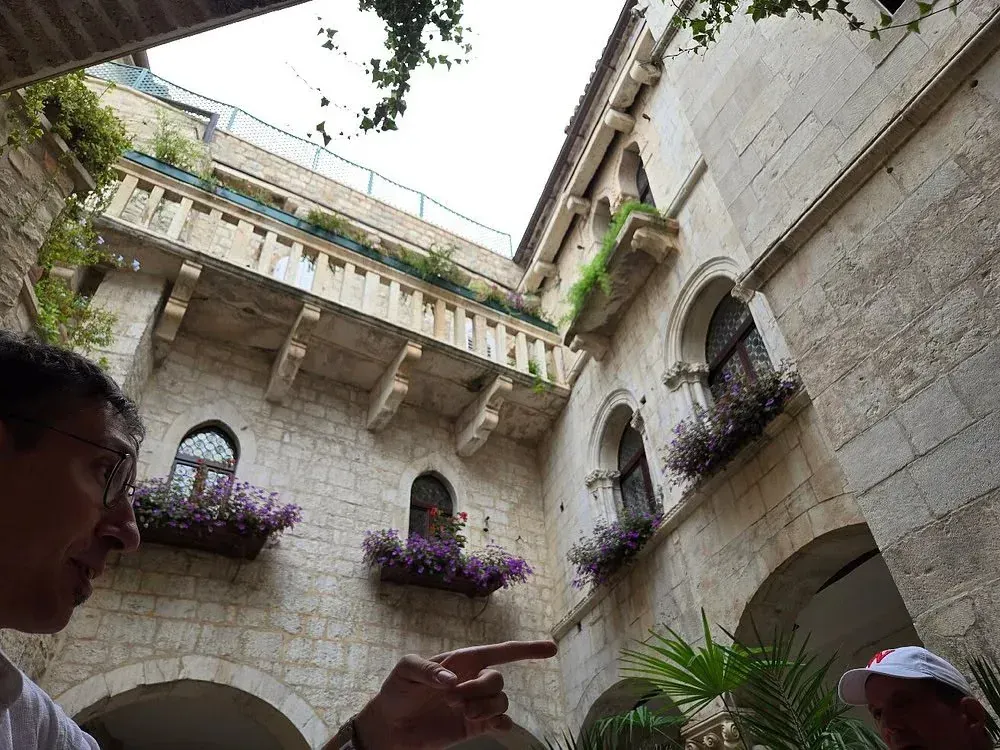
This guide explains the advantages through practical Croatian examples, along with the limits that responsible descriptions should make clear. Private does not mean empty attractions, unrestricted flexibility or every ticket included. A good experience brings personal attention and thoughtful planning together with honest information about what you are booking.
What you are actually reserving
On a private guided tour, the booked arrangement is reserved for your party. That might be a city guide for a walk, a vehicle and driver for an excursion, a skipper for a boat outing or a host-led food experience. The people and services involved depend on the product, and those roles should not be treated as interchangeable.
A small-group product can still be shared with other travellers. A private party on a scheduled ferry is using a public transport service, not a charter. A hosted tasting does not automatically include a separate licensed city guide. Clear definitions make it easier to compare experiences without assuming that one word covers the same service everywhere.
Start with the individual itinerary and inclusions. They describe what is reserved, for how long and with which services. If you want something different, ask for a specific arrangement before booking. The strongest private experience begins with clarity, not with a broad promise that everything can somehow be decided later.
Benefit one: a conversation that responds to you
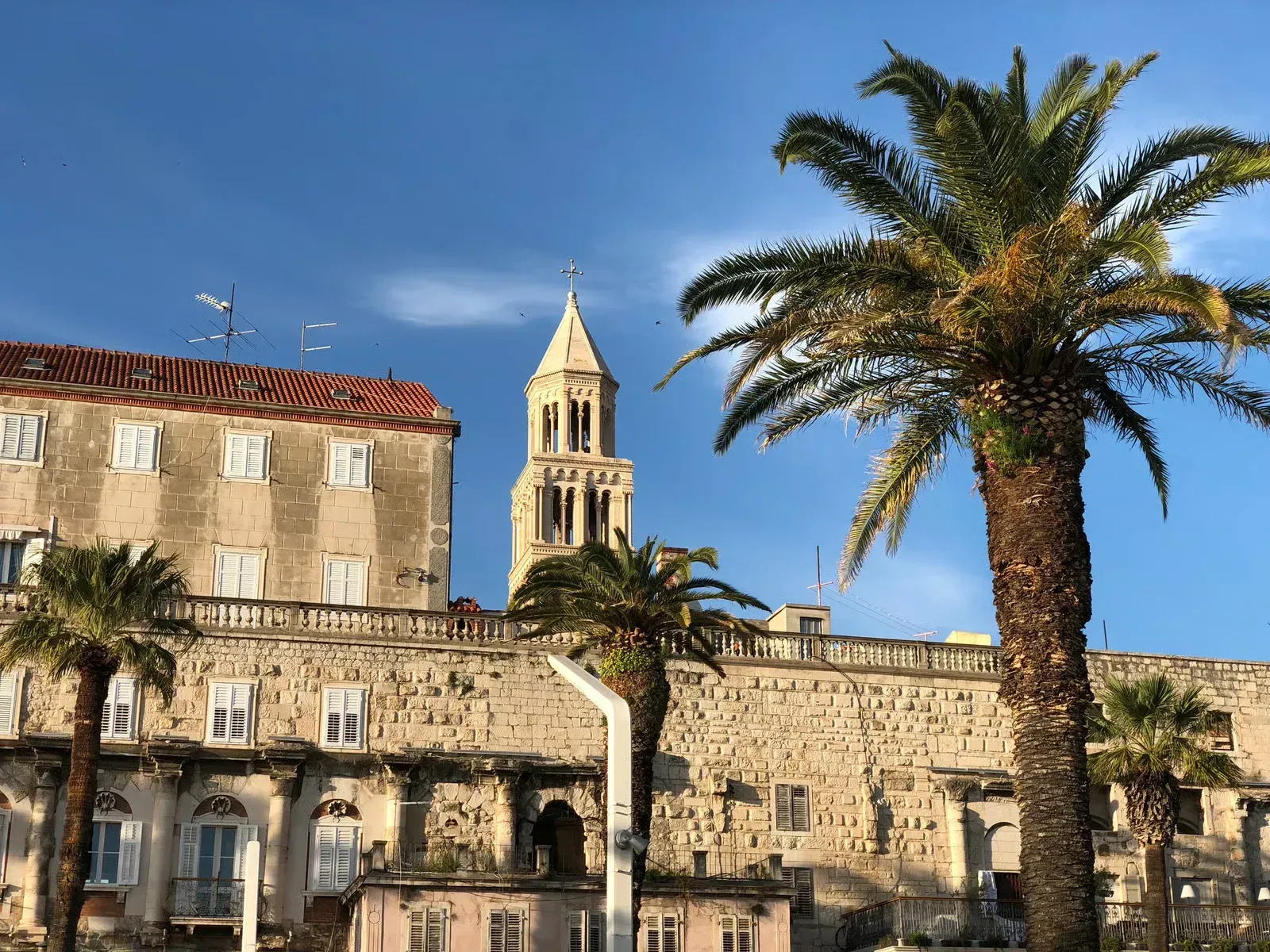
A private guide can answer the questions that occur to your party as you walk. In Split, you might notice an ancient wall beside a modern shop and want to understand how the palace became part of a living city. In Dubrovnik, a street or building detail may lead to a conversation about the former republic and everyday life.
That exchange is different from listening to a fixed commentary. You can ask for more depth or say that you would prefer a simpler introduction. A family can share children's interests, while a couple can follow a particular architectural or culinary curiosity. The guide does not need to guess what matters most to a large mixed group.
The benefit still depends on choosing the right product and allowing enough time. A short orientation cannot become a specialist full-day study without changing its scope. Tell us your main interest beforehand so the guide and itinerary are appropriate. Personal conversation works best when the booking gives it a suitable framework.
Benefit two: a pace closer to your party's needs
Pace affects how a day feels. Some visitors enjoy a brisk walk and detailed explanations at every stop; others want shorter sections, seated pauses and more time to observe. A private format provides a better opportunity to discuss those preferences than a departure whose schedule must serve many unrelated guests.
In Dubrovnik, that may mean choosing an Old Town-focused visit instead of adding the walls. In Split, it may mean deciding whether a hill viewpoint belongs in the day. The important choice often happens before booking, when the right version can be selected rather than trying to remove a major element after the programme has begun.
Personal pacing does not erase the physical setting. Historic paving, steps, pedestrian areas and distances remain. If walking is a concern, explain the practical needs clearly. A less demanding route and a fully accessible experience are not the same claim, and the actual arrangement must be assessed before any assurance is made.
Benefit three: more relevant local context
Places are often more memorable when someone helps you understand what you are looking at. A private guide can connect a square with the surrounding streets, explain how an ancient structure was reused or show why a particular food belongs to the region. The experience becomes less about collecting names and more about recognising relationships.
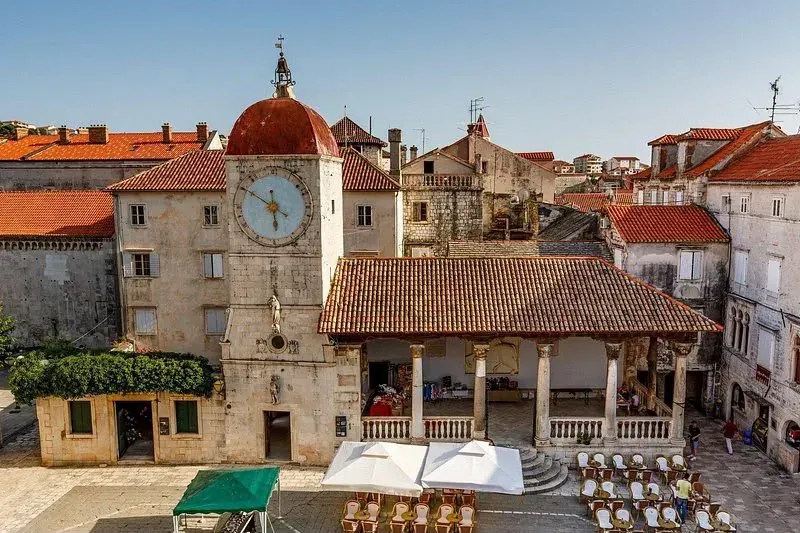
Croatia offers many opportunities for that kind of interpretation. Split's palace is part of its historic centre; Trogir has a different urban character; Dubrovnik's architecture sits within a wider maritime story. A local explanation can make those differences visible without requiring you to become an expert before the holiday.
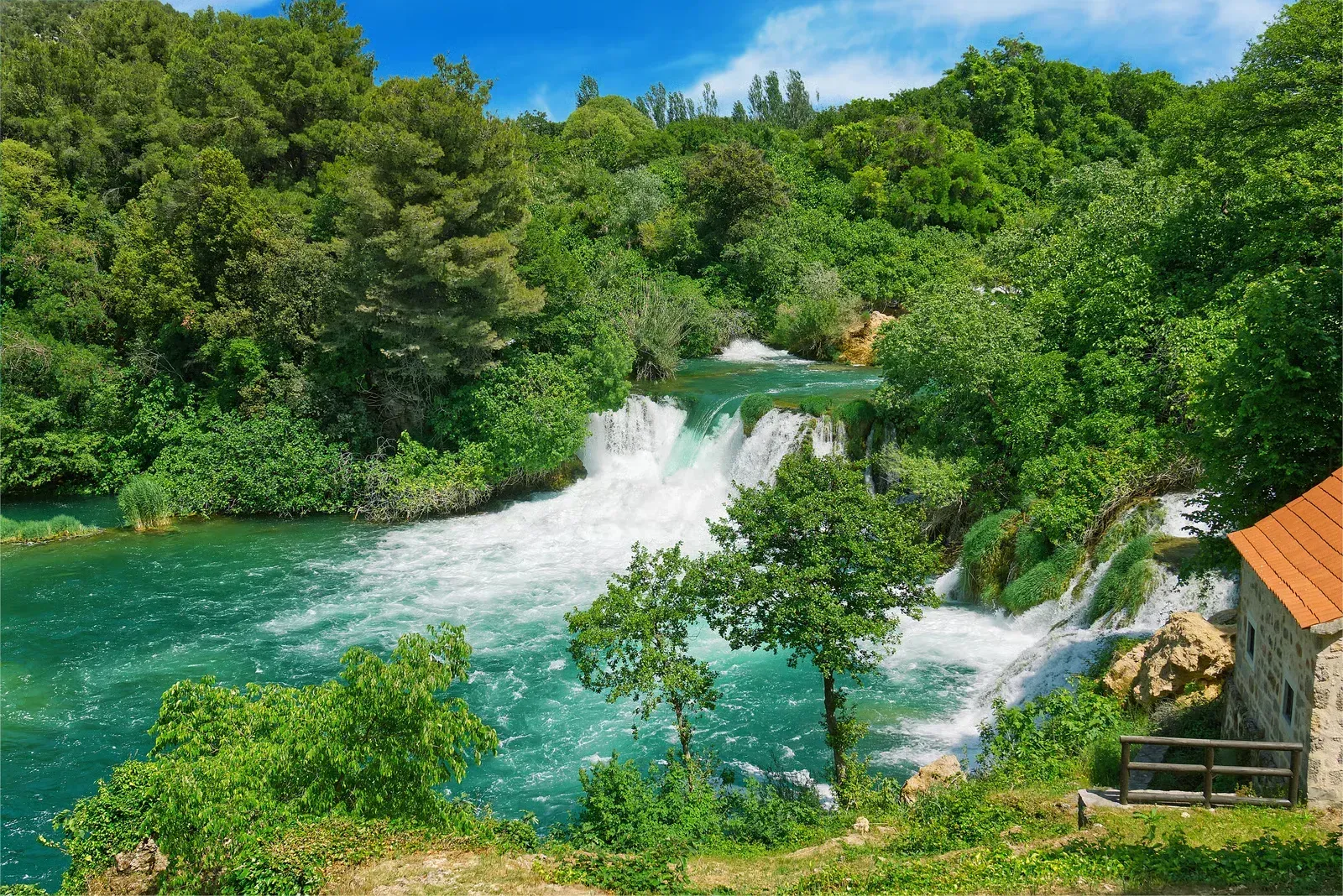
Local knowledge should be demonstrated through useful detail, not unsupported claims of secret access. Public monuments remain public. A guide may help you notice a less obvious feature, but that is different from promising entry to places normally closed. The value is the quality of the encounter, not a marketing suggestion that ordinary rules do not apply.
Benefit four: an easier fit for different interests
A private day can give a mixed-interest party a more balanced experience. Friends who enjoy history and food might choose Split and Trogir followed by a vineyard tasting. A couple might prefer a shorter Old Town introduction and time at the table. A family may want enough history to understand the place without making every hour a formal visit.
The benefit is not unlimited activity mixing. A coherent programme still needs a principal focus and enough time for each element. Combining too many interests can produce a day that satisfies none of them properly. The best plan connects a few complementary experiences rather than attempting every possible attraction.
Tell us which part matters most. If a chef-prepared lunch is the main wish, protect its time instead of treating it as a quick stop after extensive sightseeing. If architecture is the priority, choose a product that allows the relevant visits. Personalisation is most useful when it guides decisions about what to leave out as well as what to include.
Benefit five: clearer coordination between parts of the day
A private excursion can coordinate services that would otherwise require separate arrangements. A guided town visit, a road journey and a hosted meal can be planned as one sequence when that is the product being booked. This can make the day feel easier because the transitions have been considered together.
For example, a Split–Trogir experience with a vineyard element needs a sensible relationship between walking, driving and the table. A Pelješac oyster outing from Dubrovnik connects land transport with a hosted boat-and-food experience. In both cases, the practical movement is part of the quality of the day, not merely a gap between highlights.
Coordination should not be assumed beyond the confirmed scope. Airport collection, luggage storage, hotel changes and special drop-offs require their own arrangements. A standard city tour is not automatically an arrival transfer, and a sightseeing boat is not automatically a luggage-friendly island connection. Share those requirements before booking.
Benefit six: a more useful approach for families
Families can benefit from the opportunity to explain ages, interests and attention spans. A guide who knows that the children enjoy buildings or food can find a better way into the place. Adults can ask their own questions too, rather than choosing between an entirely child-centred activity and a walk that ignores the youngest guests.
A private format also helps discuss the shared pace of a multigenerational party. A manageable route and thoughtful pauses can be more enjoyable than a standard highlights circuit that assumes everyone walks comfortably. The family should feel able to describe practical needs without pressure to include every climb or monument.
The product still has to suit the actual ages and requirements. Cooking, truffle outings, park visits and boating have different conditions. Ask about suitability, child seats, lifejackets or dietary arrangements where relevant. The advantage is the ability to plan with those details, not a blanket claim that every private experience is automatically appropriate for every family.
Benefit seven: attention to language and communication
Being able to follow the explanation and ask questions comfortably makes a substantial difference. A private booking allows the requested guiding language to be considered explicitly, subject to availability and the particular experience. It should be agreed before confirmation rather than assumed from the language of the website.
The distinction between guide and host matters here. An oyster producer or culinary host may deliver the experience in a particular language without a separate interpreter. A private skipper's role is different again. If your party needs additional interpretation, that service should be requested and priced as appropriate.
Clear communication also helps before the tour. Meeting instructions, timing and essential requirements should be understood by the people travelling. A good booking process reduces uncertainty rather than leaving guests to infer the arrangement from a photograph or a broad description of personal service.
Benefit eight: a day that respects your time window
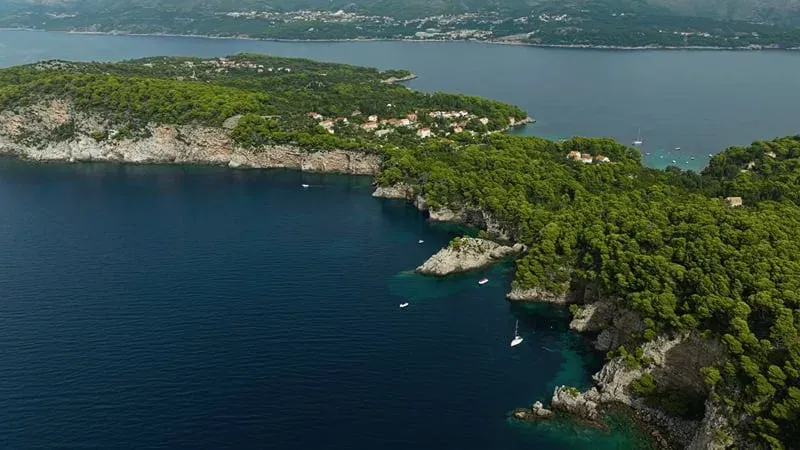
Travellers with limited time can benefit from an experience selected around their actual window. A cruise passenger needs a route that fits the ship's arrangements; a guest with a free morning may want a focused city introduction rather than a full-day outing. Private planning can help make that distinction clear.
The best response to a short window is not necessarily to move faster. It may be to choose a nearer destination, omit a climb or leave out an additional town. A day feels more personal when the priorities are realistic, rather than when an operator promises to compress the same ambitious itinerary into fewer hours.
Fixed deadlines must be disclosed. Send flight, ferry or cruise information before choosing the product. Arrival and departure procedures take time, and conditions can vary. A private arrangement can coordinate the plan, but it cannot make distance or operational constraints disappear.
Benefit nine: a more personal food experience
A private food walk or hosted meal gives your party space to ask about ingredients, preparation and regional habits. In Croatia, food can be a way to understand a place rather than simply a break from sightseeing. A vineyard setting, shellfish outing or cooking experience each creates a different conversation.
The personal value comes from choosing the right format. Tastings, a three-course meal and a cooking session require different amounts of time and participation. A thoughtful plan matches that format to your appetite and interests. It should not assume that every party wants the longest menu or the greatest number of stops.
Dietary requirements need advance discussion. The host and actual menu determine what alternatives are possible. Private service can make that communication easier, but it is not a guarantee that any restriction can be accommodated without notice. Clear information allows a suitable experience to be selected or a limitation to be explained before booking.
Benefit ten: a boat day chosen around comfort
A private boat arrangement can give your party a more suitable balance of swimming, coastal scenery and time ashore. It also makes it possible to consider the vessel's seating, shade and boarding against your actual needs, rather than selecting only from a photograph of the destination.
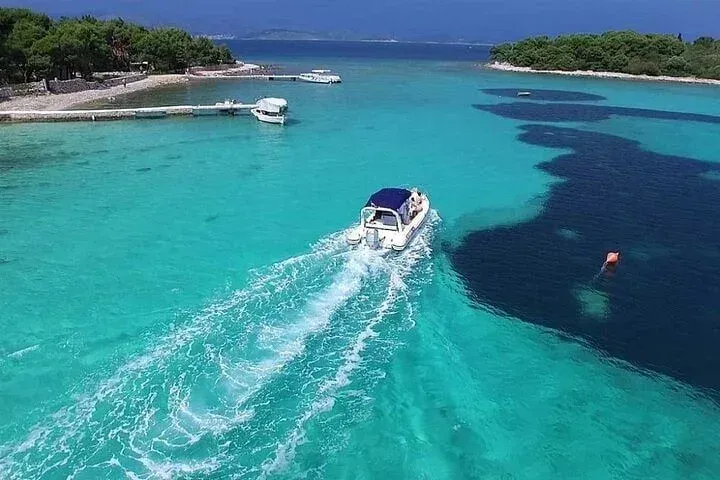
From Split, a nearer Blue Lagoon outing and a requested longer island journey are different choices. From Dubrovnik, Elaphiti and cave-oriented products have their own formats. The useful benefit is not that every route becomes possible, but that the comparison can begin with the people aboard.
The skipper's judgement remains central. Private does not guarantee cave access, empty bays or a crossing regardless of conditions. A personal sea day should support sensible decisions and clear expectations. For some parties, the better choice may be a shorter outing or a land-based experience instead.
Benefit eleven: shared attention for couples and friends
A private experience can create a setting for your own conversation without needing to keep pace with strangers' interests. Couples might use that freedom for a detailed historical visit or a meal; friends may choose an activity connected with a shared fascination. The experience does not have to be a special occasion to feel meaningful.
Differences within the party should be discussed openly. One guest may prefer less walking, another may not drink and another may want more time for photography. A balanced route can often respond to those preferences within the booked scope, especially when they are known before the day begins.
Do not mistake personal attention for a guarantee of special extras. A photographer, flowers, exclusive table or unusual access requires confirmation. Often the strongest private experience comes from getting the ordinary things right: the right guide, a clear route, a comfortable pace and enough time to enjoy being there together.
Benefit twelve: more confidence to explore independently afterwards
A private introduction can make the rest of your stay easier. Once you understand the old centre and recognise its main spaces, you can return to the streets or places that interested you most. The guide's explanation becomes a framework for independent discovery rather than the end of the experience.
This is especially useful on a first visit to Split or Dubrovnik. You may leave the tour knowing which area you want to revisit, what kind of meal appeals and which additional monument is worth your time. It can reduce the feeling of wandering without context while preserving the pleasure of exploring on your own.
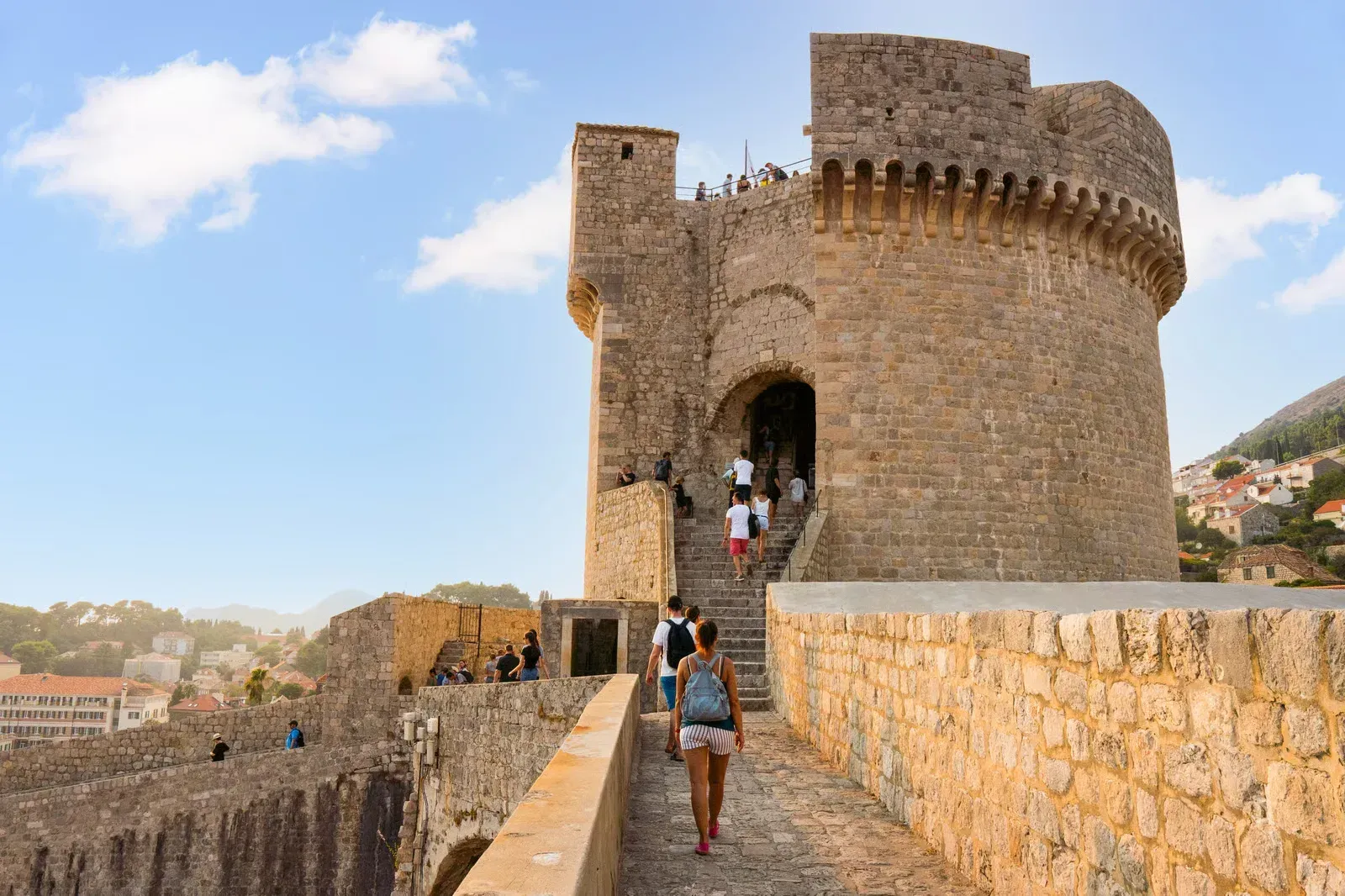
There is no need to book a guide for every subsequent hour. Independent time and private touring can complement one another. A well-chosen experience gives you something to carry into the rest of the holiday, including the confidence to enjoy a place without a schedule.
What a private tour does not automatically include
A private label does not establish the inclusion of every entrance ticket, meal, transfer or equipment item. Those services vary by product. The relevant standalone tours list Krka, Plitvice and Dubrovnik wall admission separately where applicable. A bespoke itinerary may have a different confirmed structure.
Likewise, a city-centre meeting point does not mean hotel collection, and hotel collection does not mean airport pickup. A boat price may be displayed per person or as a total. The only reliable comparison is the complete itinerary and quote for your actual date and party.
Read the inclusions before payment and ask about anything essential. This is not a minor administrative step; it determines whether the experience matches what you want. Personal service is stronger when the boundaries are clear, rather than when guests discover the difference between a generous assumption and a confirmed service on the day.
Flexibility has a practical meaning
A private guide can often respond to the conversation and pace within the agreed route. That is a useful kind of flexibility. It does not mean that a two-hour walk can become a six-hour excursion, or that an added vehicle, meal and monument visit require no further arrangement.
Opening hours, reservations and the availability of other services still shape the day. If a substantial change is important, request it before booking so the team can assess the programme and quote. A revised proposal is more helpful than a vague promise that everything can be changed later.
On the day, share any changed circumstance promptly. The guide or crew can then explain what adjustment is possible within the time and conditions. Good flexibility is thoughtful and realistic. It protects the quality of the experience instead of encouraging an unplanned sequence of additions that leaves the party rushing.
Private does not automatically mean cheaper
The price of a private experience reflects the services reserved for your party. It may be attractive when shared among several travellers, but it should not be marketed as a universal way to save money. A shared departure or independent visit may cost less and still suit a traveller's priorities.
Compare value according to what you want. If personal interpretation and a suitable pace are important, the guide's attention can be worthwhile. If all you need is transport between two ports, a scheduled service may be the sensible choice. Buying privacy where it adds no meaningful benefit is not a requirement for a good holiday.
Use the real party size and date when comparing quotes. Some products have higher minimum participant numbers. A starting price based on a stated number of guests does not apply automatically to every booking. The useful figure is the final confirmed quote with a clear explanation of what it covers.
How to judge reviews without relying only on stars
Reviews can help you understand the experience, but read them in context. Look for comments about the route, guide, communication and the kind of party travelling. A family review of a similar day may be more useful to you than a higher average attached to an entirely different activity.
Distinguish company-level ratings from ratings of one specific product. A large total on a platform may relate to the platform or the operator's full collection, not the tour you are considering. Recency and the number of reviews matter, and the details should not be transferred between listings.
Use reviews alongside the actual itinerary and conditions. No rating can tell you that a long boat route suits a guest who dislikes crossings or that a climb matches limited mobility. The best choice combines evidence of service quality with a genuine fit for your party.
A practical Croatia example: history and a vineyard table
Consider travellers who want both heritage and regional food near Split. Booking separate services without coordination could produce an awkward sequence: too much walking, a rushed transfer and a meal reached late. An appropriate private combined product can organise those parts into one coherent day.
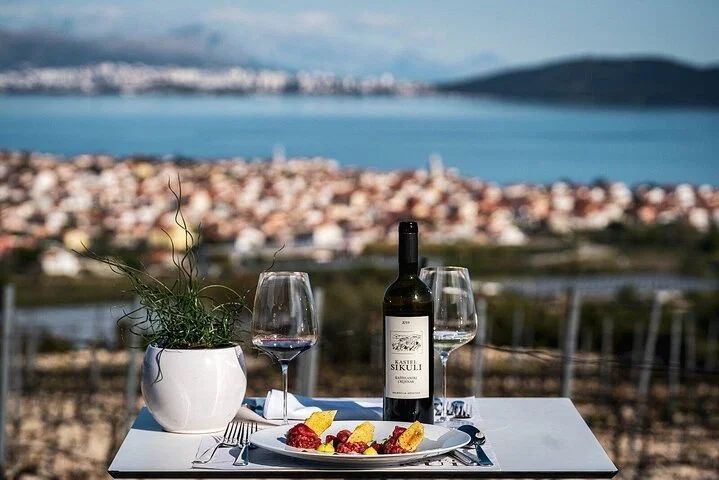
The guide introduces Split and Trogir within the agreed programme, then the vineyard setting provides a contrasting experience above the coast. The hilltop view and local food give the day its own character. Choosing between a tasting and a chef-prepared meal determines the amount of time needed at the table.
The benefit is the relationship between the parts, not merely the fact that they are private. The product still needs to match participant requirements, dietary needs and the available hours. A well-planned combined experience illustrates how personal attention and logistics can work together without claiming unlimited customisation.
A practical Croatia example: Dubrovnik at a gentler pace
Another party may want to understand Dubrovnik without the effort of the walls. A private Old Town-focused visit can be selected around that preference, with the guide using stories and observation to create interest. The day is not a lesser version of a highlights list; it is a different, more suitable choice.
The guests should describe walking comfort, steps and standing tolerance beforehand. Historic paving and pedestrian areas remain part of the setting, so route-specific assessment is necessary. A private arrangement creates the opportunity for that discussion but should not be described as fully accessible without checking.
Afterwards, the party can enjoy free time rather than add a demanding excursion merely because the afternoon is open. The value is a successful shared experience and a better understanding of the city. Sometimes thoughtful private planning means doing less, with more attention.
How to decide whether a private tour is worth it for you
Identify the problem you want the experience to solve. Do you want personal interpretation, a pace that suits the family, a coordinated food day or a carefully timed shore excursion? If so, a private product may offer a clear benefit. If you mainly want unstructured time, independent exploration may be the better answer.
Then compare actual products, not broad claims. Look at duration, the guide or host, transport, admissions, meals, participant requirements and the final price. Explain any essential need before booking. A product that clearly fits your brief is stronger than one that promises everything without describing the arrangement.
Finally, leave room for the rest of the holiday. A few carefully chosen private experiences can add depth and comfort without turning every day into a guided programme. The goal is not to maximise the number of bookings, but to help you experience Croatia in a way that feels personal and worthwhile.
Frequently asked questions
What is the biggest advantage of a private tour?
The booked guide's or service provider's attention is reserved for your party. That creates a better opportunity to discuss interests, pace and practical needs within the agreed programme. The value depends on choosing an experience that fits the people travelling.
Can we change everything during the tour?
No. The confirmed duration, services, reservations and operating conditions still apply. Substantial changes should be requested before booking. Personal attention and reasonable adjustments are different from an unlimited ability to add activities.
Is private touring suitable for families and seniors?
It can be a very good choice when the actual route suits their needs. Share ages, walking comfort and essential requirements before booking. Do not treat a private label as automatic proof of child suitability or full accessibility.
Are attractions less crowded on a private tour?
Public attractions remain shared. A guide can help with interpretation and sensible planning, but should not guarantee an empty monument or queue-free entry unless a specific arrangement genuinely provides it.
Where should we start?
Choose your base, date, party size and principal interest, then compare the full itineraries. Our city, food, nature and sea collections provide different starting points. Ask for a specific proposal if the published experience needs a substantial adjustment.