DESTINATION JOURNAL · CROATIA
Private Tours of Croatia: How to Choose Cities, Islands and Local Experiences
Private tours of Croatia offer many different ways to understand the country. You might walk through a Roman palace with a local guide, taste regional food in a coastal town, spend a day among island coves or follow a path beside waterfalls. The strongest choice is rarely the tour with the longest list of stops. It is the experience that fits where you are staying, how much time you have and what you genuinely enjoy.
The word “tour” can mean a short private walk, a full-day excursion or an entire multi-day holiday. Those formats solve different needs. This guide focuses on choosing individual private experiences and connecting them sensibly during a Croatia stay. If you want accommodation and a complete journey designed together, our main Adriatic Vision travel agency and DMC team handles tailor-made planning; the Tours website is where you can explore and book the individual experiences.
Start with the geography. Croatia's coastal towns, islands, inland cities and national parks are not interchangeable day-trip bases. A Dubrovnik food outing, an Istrian truffle experience and a visit to Plitvice belong to different parts of a holiday. Understanding those distinctions lets you build a varied trip without turning every day into another long transfer.
Private, small-group and shared tours are different products
A private tour reserves the booked guiding or touring arrangement for your party. That can make the conversation more personal and allow the agreed pace to reflect your interests. It is useful when a family wants shorter explanations, friends want to focus on food or a couple hopes for a deeper look at a particular historic town.
A small-group tour can still include people you do not know. A shared cruise, a scheduled catamaran and a group excursion may be excellent choices for particular journeys, but they should not be described as private simply because the party travelling is small. Read the actual product format rather than relying on a category heading on a booking platform.
Privacy also has practical limits. Public streets, beaches, museums and national parks remain shared spaces. A private guide does not automatically provide exclusive entry, a queue exemption or access outside opening hours. Those distinctions matter when you compare the experience and price. The personal attention is real; claims of an entirely private destination would not be.
Choose your base before your day trips
The most useful first question is where you will sleep before and after the experience. A map may make the coast look like a short sequence of attractive names, but roads, ports and islands introduce real travel time. A tour should complement your chosen base rather than spend most of the day correcting an inconvenient location.
From Split, you can compare city walks, Trogir combinations, nearby food and wine, national park excursions and island boat days. From Dubrovnik, the Old Town, Elaphiti Islands, oysters and the wider southern region create another range of options. Istria has its own coastal towns and inland food traditions; Zagreb serves a different part of the country.
Give the operator the exact pickup location when transport is involved. “Near Split” can describe a wide area, and an island stay requires a different plan from a mainland hotel. If you will have luggage or are changing accommodation during the outing, say so before booking. A sightseeing vehicle or boat is not automatically arranged as a hotel-to-hotel transfer.
Split: a city walk through a living palace
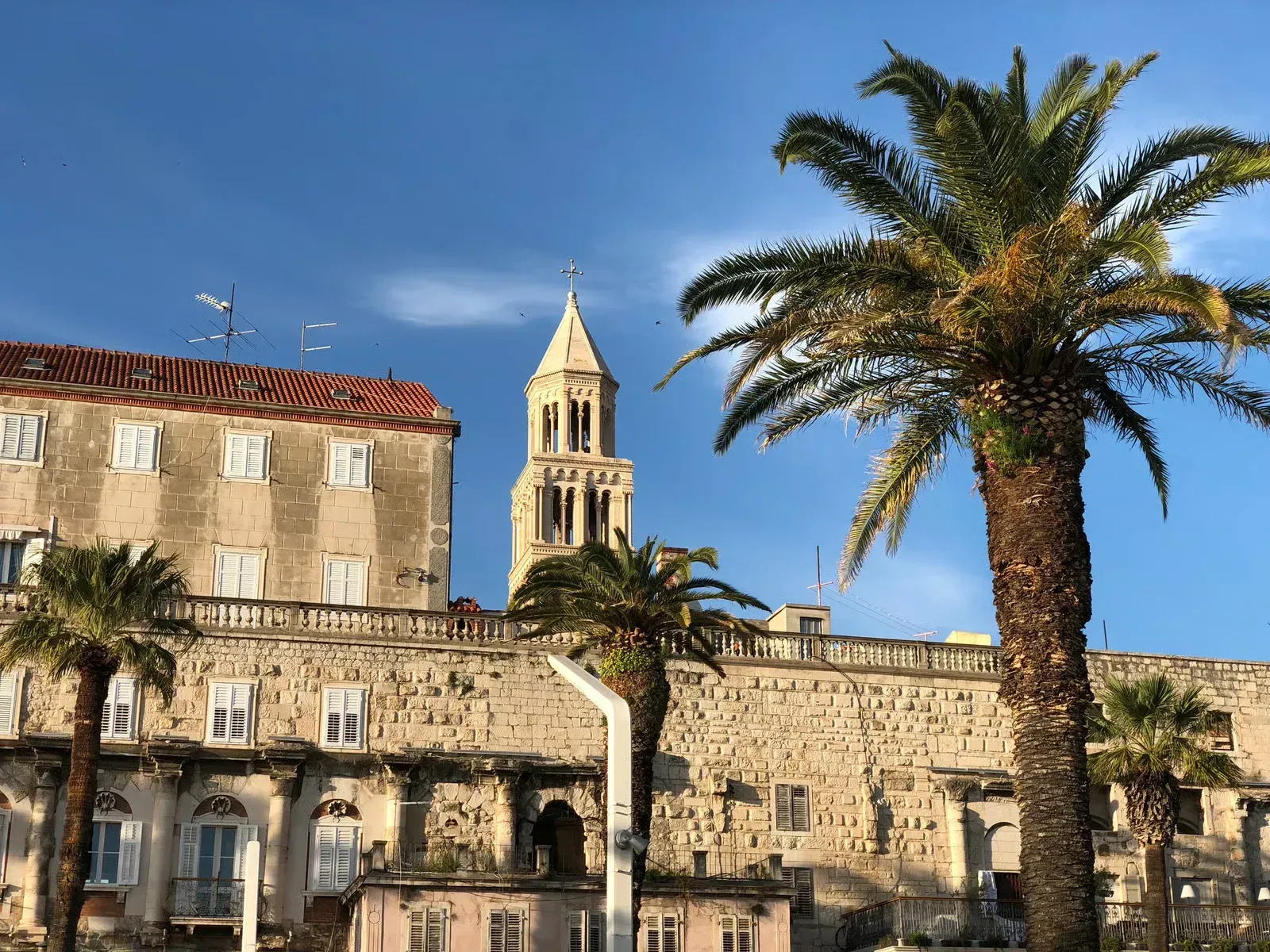
Split is an excellent place to begin with a private local guide. The surviving structures of Diocletian's Palace are part of the historic centre, which means the story unfolds among homes, shops, cafés and streets rather than inside one isolated museum. A guide helps connect the ancient plan with the city that developed around it.
A walking route can bring together the Peristyle, Vestibule, palace passages, later squares and the waterfront, according to the chosen product. Decide whether you want an outdoor introduction or time in specific paid interiors such as the palace cellars. A title mentioning the palace does not establish that every admission is included.
Split also supports more specialised days. A food-led visit offers a different way into local life, while a hill viewpoint adds effort in exchange for a panorama. The right route depends on your interests and walking comfort. Our dedicated guide to private tours in Split compares these choices in more detail and links to the corresponding experiences.
Trogir: a separate town worth understanding on its own terms
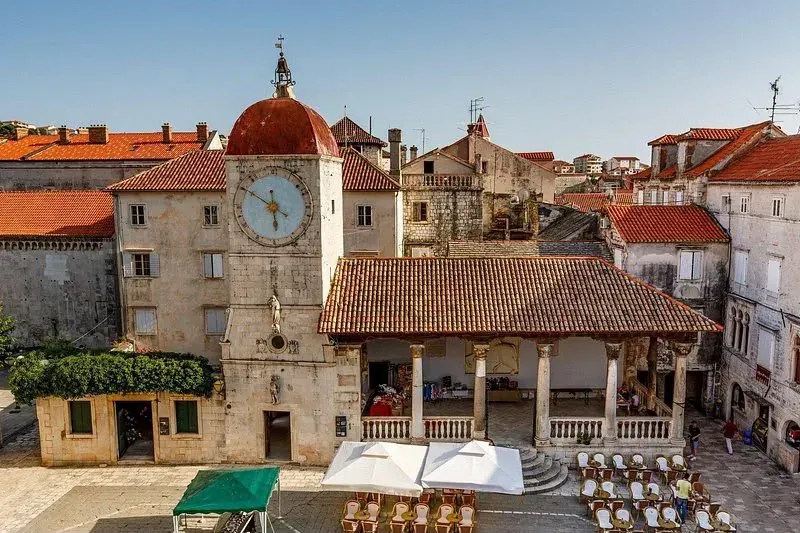
Trogir's historic centre has a character distinct from Split. Its streets, architecture and waterfront reward a focused private visit, rather than a rushed stop treated as a smaller version of the same city. The UNESCO recognition belongs to the historic town and should not be used as an empty label for an otherwise unexplained excursion.
A Split–Trogir combination works well for visitors who enjoy heritage and want to see another coastal setting. The road journey, time on foot and any planned meal all need to fit the day. If you want to visit a specific interior or climb a tower, discuss it before confirming the route rather than adding it after the schedule is already full.
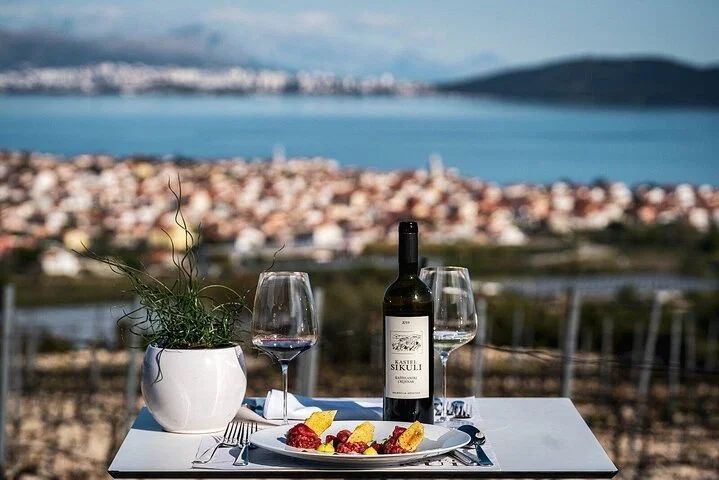
Some products connect the towns with a vineyard tasting or a chef-prepared meal above the coast. That creates a day with several contrasting elements: urban history, coastal travel and regional food. Choose it because that combination appeals to you, not because more destination names automatically represent better value than a shorter experience.
Dubrovnik: decide between the Old Town, walls and the wider region
A private Dubrovnik walk can introduce the Old Town's urban story, civic spaces, architecture and maritime setting. A guide can adjust the emphasis within the agreed route, making the visit useful to first-time travellers as well as those with a more particular historical interest. The city deserves more than a brief sequence of familiar photographs.
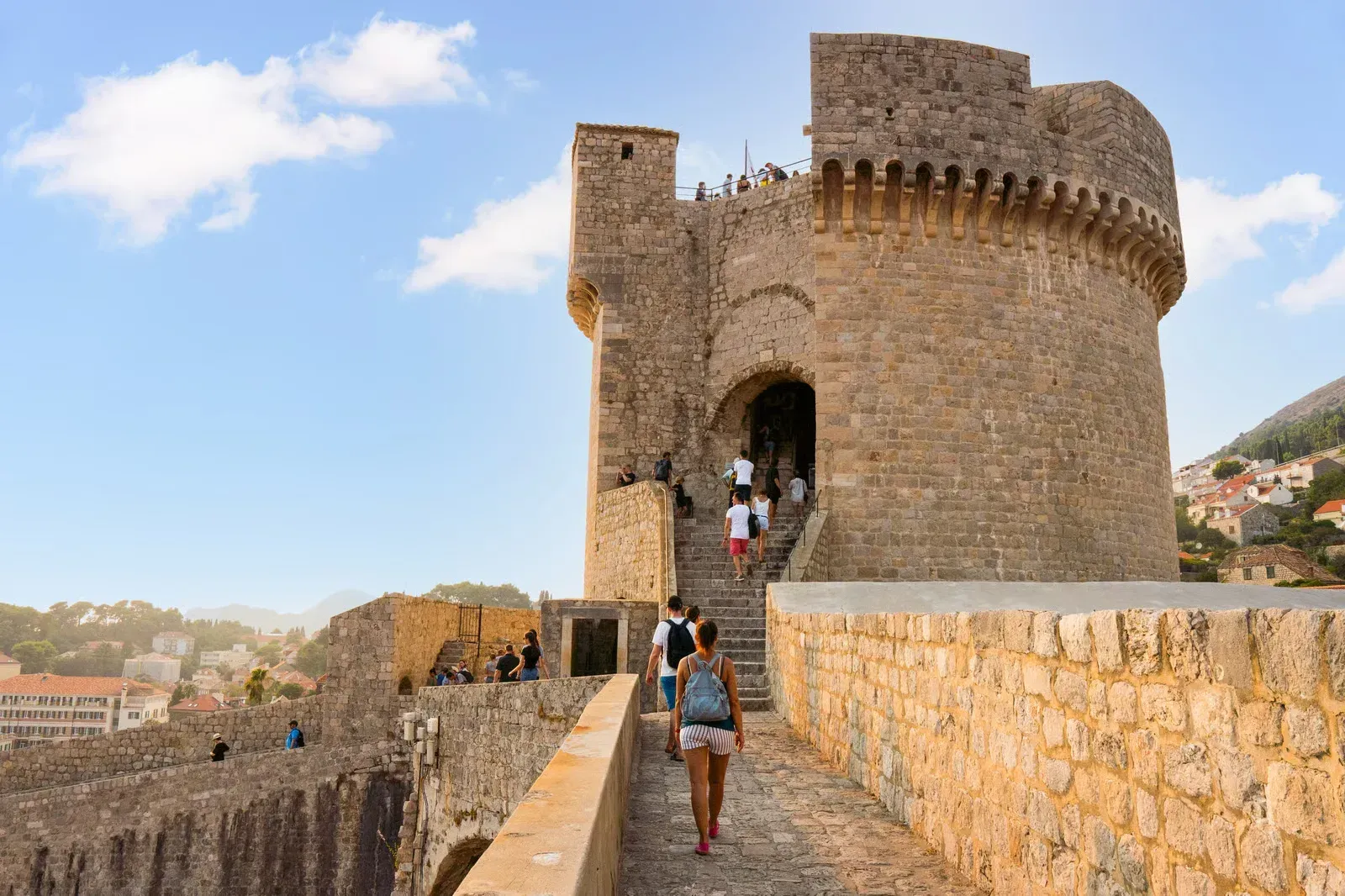
The walls are a separate physical choice. Their views appeal to many guests, but stairs and exposed sections can make them unsuitable for someone seeking a gentle visit. Our relevant standalone tours do not automatically include wall admission; check the selected product. Guests can have a rich Dubrovnik experience without completing the climb.
The region beyond the Old Town opens other possibilities. A local bites tour, an oyster outing to Mali Ston Bay or an Elaphiti boat day each provides a different perspective. They should be compared as coherent experiences, not added indiscriminately to a single city visit. Our Dubrovnik guide explains the meeting points and practical distinctions.
Hvar: town heritage and the island beyond the harbour
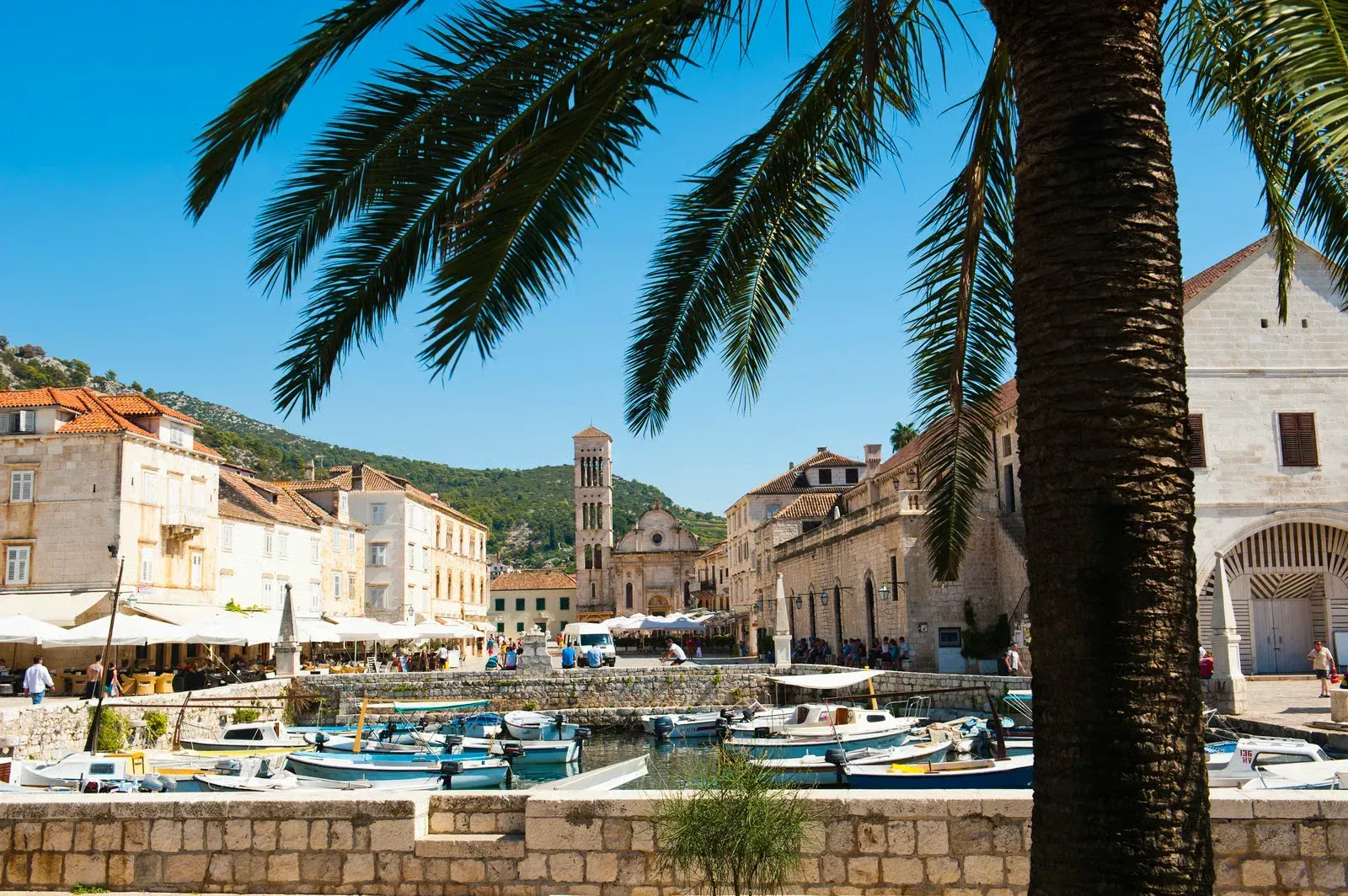
Hvar is both an island and the name of one of its principal towns. A private town walk and an inland culinary experience therefore describe different outings. The first can focus on streets, history and harbour life; the second takes you into another setting and may involve transportation and a host rather than continuous city guiding.
The Stari Grad Plain offers an agricultural context for selected cooking and food experiences. These should be described according to the actual programme and season. A photograph of lavender does not mean every visitor will see fields in bloom, and the presence of local wine does not make every island experience a winery tour.
If you are visiting Hvar by boat for the day, consider the time available ashore before adding a guided activity. A long island crossing, lunch, swimming and a detailed land tour may compete for the same hours. If you are staying on the island, you can give each interest a separate place and enjoy a less compressed visit.
Istria: coastal towns and an inland food landscape
Istria rewards travellers who look beyond a single coastal photograph. Rovinj and Pula offer different urban experiences, while the interior introduces another landscape and food culture. A private tour can help choose the right combination without assuming that every historic town and hilltop belongs in one day.
A truffle experience is one way to encounter the inland region through a host and a specific local activity. Understand the actual format, walking conditions and tasting arrangements before booking. The value lies in learning about the process and place, not in promising a particular find or presenting every woodland visit as identical.
If you are staying in another part of Croatia, do not treat Istria as a minor detour. Its position in the broader journey deserves attention. A few well-planned days in the region can offer more than a very long excursion built around a single meal. Our collection helps you compare experiences within the area rather than simply collect regional names.
Zadar: heritage, the waterfront and food
A private Zadar tour can combine the historical centre with the city's relationship to the sea and selected local flavours. It is a useful choice for travellers who enjoy seeing how different periods and contemporary life share the same urban space. A guide can make the route feel connected rather than merely point out separate landmarks.
Food and wine can be part of the introduction where the product includes them. Check whether you are booking tastings, a meal or a primarily historical walk. Those formats require different amounts of time and suit different appetites. Let the team know about dietary needs in advance instead of assuming every stop has an immediate substitute.
Zadar can also be a base for selected boat or inland outings. The best choice depends on the actual route, departure point and available time. A city visit and a long island excursion should not be treated as interchangeable ways to fill a short afternoon. Choose one principal aim and allow the day to support it properly.
Krka: river scenery with a considered walking plan
Krka is often chosen by guests who want a nature day during a coastal stay. The park has several areas, and the advertised tour should make clear which visit is intended. Do not assume that the name of the national park describes one universal route or that every product uses the same entrance and timing.
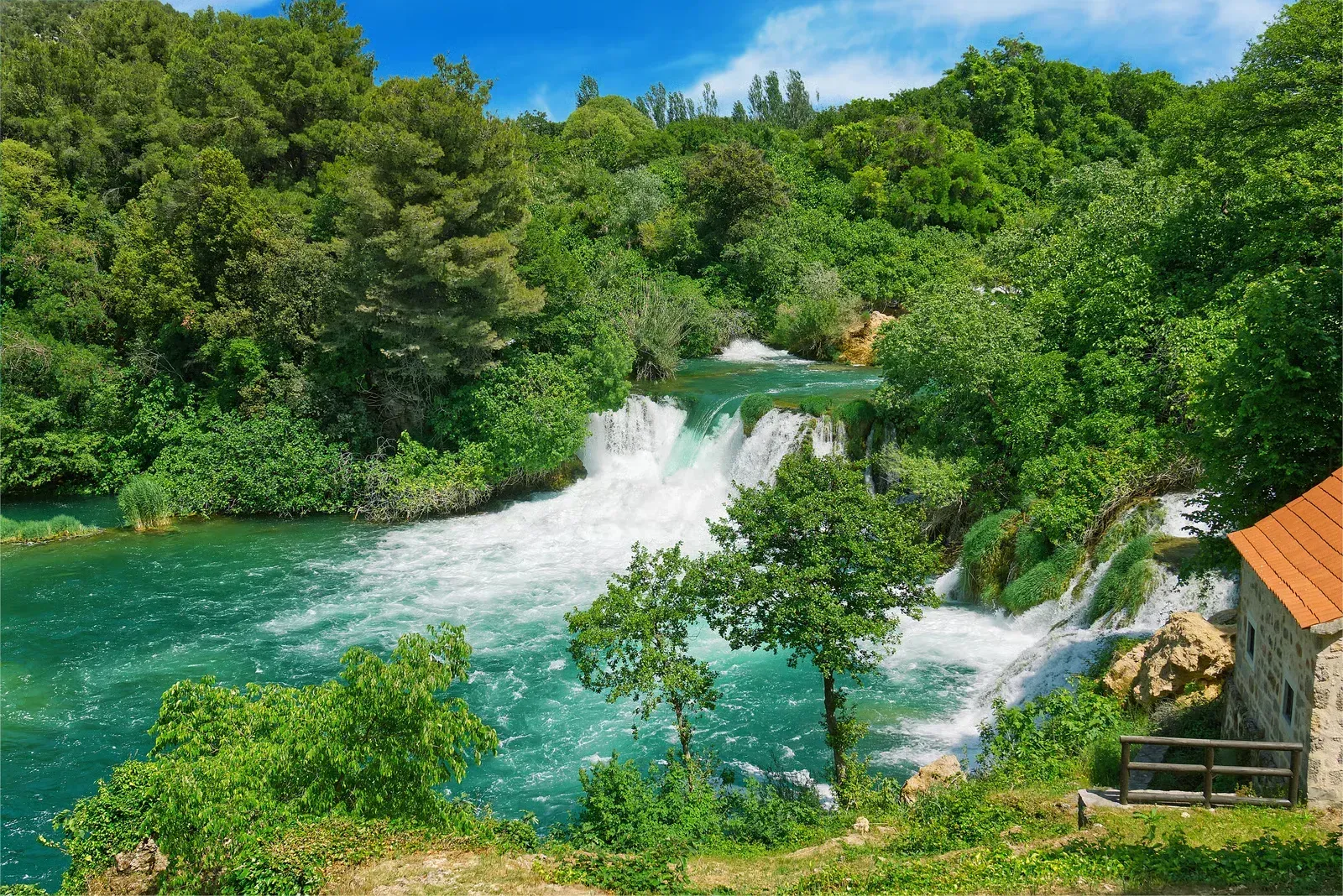
At Skradinski buk, the experience centres on walking and observing the river landscape. Do not expect to swim beside the famous falls; current park guidance does not permit that. Comfortable shoes and a realistic understanding of steps and paths are more useful preparation than an old photograph of swimmers under a waterfall.
Our relevant private day tours can combine Krka with regional wine, prosciutto and cheese where stated. Admission is separate on the applicable published products. Read the itinerary and inclusions, then decide whether the whole day suits you. The return journey and any later ferry or ship deadline should be part of that decision.
Plitvice Lakes: give the park the time it deserves
Plitvice is a different choice from Krka, not another name for the same waterfall outing. The lakes, paths, boat connections and visitor routes require their own planning. Your starting point matters greatly, especially when deciding how much of the day will be spent travelling rather than exploring inside the park.
A private vehicle provides a personal transfer arrangement, but it does not remove the walking, ticket rules or shared park environment. Discuss walking comfort and the proposed visit before booking. If you have a tight onward deadline, ask whether the route is appropriate rather than treating an ambitious day as automatically feasible.
Admission is additional on our applicable standalone excursions, and timed entry arrangements should be coordinated properly. A transfer between cities via Plitvice is another format again: it may be a useful way to connect parts of a journey, but luggage and onward travel have to be confirmed. It should not be assumed from the title of a standard day trip.
Boat tours: compare routes rather than island counts
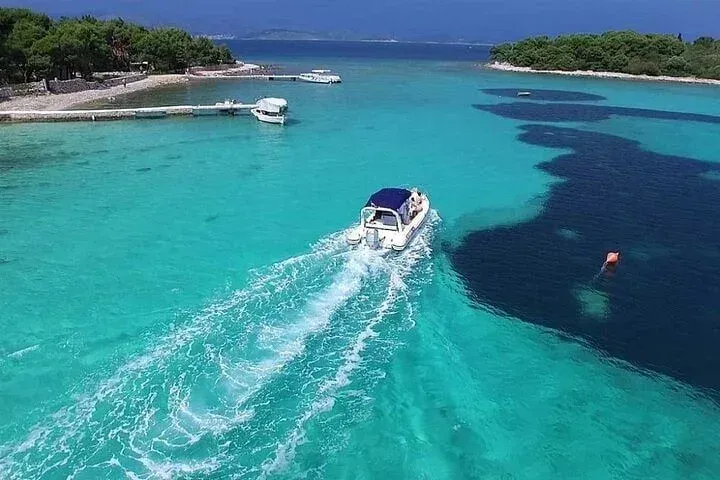
The Adriatic offers private boat experiences from different coastal bases. From Split, the Blue Lagoon, Hvar and Pakleni routes should be distinguished from longer journeys towards Vis and Biševo. From Dubrovnik, Elaphiti outings belong to another part of the coast. Familiar words such as “Blue Cave” do not identify the same destination everywhere.
The important questions are how long you will spend travelling, what the boat offers and what kind of day you want. Shade, seating, toilet arrangements where available, boarding and swimming access can matter more than an impressive destination list. Share the ages of children and any comfort concerns before selecting the vessel or route.
Weather and the skipper's judgement shape a sea day. An alternative plan may be more appropriate than insisting on a particular cave or exposed crossing. Private service should mean a day thoughtfully arranged for your party, not a promise that conditions cease to matter. Our Split and Dubrovnik boat guides explain those comparisons separately.
Food and wine: choose a setting that belongs to the region
Food experiences can connect the history and geography of Croatia in a particularly personal way. A vineyard meal above the Split region, oysters in Mali Ston Bay, a Hvar cooking experience and Istrian truffles each tell a different story. They should not be presented as interchangeable tasting stops attached to any city.
Think about the format you prefer. Some guests enjoy a guided food walk with several tastes, while others would rather settle at a table for a longer meal. A winery tasting and a chef-prepared lunch differ in timing and appetite. The individual product should explain what you will actually receive.
Tell us about allergies, dietary requirements and whether anyone prefers non-alcoholic options. The suitability of an experience depends on its particular host and menu. Thoughtful planning is more useful than a blanket statement that every dietary need can be accommodated without notice. Where alternatives are needed, agree them before booking.
Families: use private guiding to improve the rhythm
Private tours of Croatia can work especially well for families when the programme reflects the people travelling. Begin with ages, interests and walking comfort. A shorter city introduction with questions and pauses may create more lasting interest than a full day of monuments that the youngest travellers cannot enjoy.
Do not assume that a nature outing is automatically easier than a town walk. Paths, travel time, steps and heat can all affect comfort. A boat day brings its own questions around swimming confidence, lifejackets, shade and boarding. A food experience needs a separate conversation about allergies and preferences.
For a multigenerational group, plan for a shared pace rather than expecting everyone to match the most energetic guest. That may mean leaving out a climb, choosing a nearer sea route or allowing more time at the table. Our family guide compares experiences by the kind of day they create instead of simply listing attractions as universally suitable.
Couples: private does not have to mean predictable
A couple's private tour can focus on history, food, nature or an interest shared for years. The benefit is the opportunity to shape the conversation and pace, not an obligation to choose a stereotypically romantic programme. Some couples want detailed interpretation; others prefer a light introduction followed by time alone.
A private vineyard lunch, an island outing or an oyster experience can provide a memorable shared day. Each needs the right timing and confirmed format. A sunset, special table or celebration arrangement should not be assumed to belong to an ordinary product unless it is explicitly included or separately agreed.
If your interests differ, describe that in the brief. A balanced day might include a focused heritage walk and a meal rather than several long visits of the same kind. The aim is to give both travellers something to enjoy. Our guide for couples explores these choices without assuming that one style suits every pair.
Cruise visitors: organise by port and all-aboard time
A shore excursion begins with the ship's schedule and meeting arrangements. Send the ship, date, scheduled arrival and departure, and any all-aboard instructions you have. The operator needs to know the actual time available on land, not simply that you will be “in Croatia for the day.”
Split, Dubrovnik, Zadar, Šibenik and Hvar create different practical starting points. Some calls involve tendering or a transfer before the principal sightseeing begins. A suitable private excursion respects those constraints and leaves an appropriate return margin. A short port call is not the moment to choose the longest road or offshore route merely because it appears popular.
Check the return-to-ship terms attached to the booking and keep the contact information available. A guarantee complements careful planning; it does not justify ignoring time or changing the agreed route without discussion. Our separate shore-excursion guides help you compare options by port and interpret ratings in their proper context.
Combine experiences without overcrowding the holiday
A varied Croatia stay does not require a guided activity every morning and afternoon. A city introduction, a food experience and a sea day can provide three distinct perspectives across several days. The spaces between them give you time to revisit a favourite street, enjoy a beach or discover something independently.
Avoid repeating the same kind of outing simply because it is available in each destination. If one day centres on an extensive wine experience, another might focus on architecture or the coast. Variety should come from the way you spend the time, not only from changing the town named at the top of the itinerary.
Leave room around travel days too. Hotel check-in, luggage, ferry boarding and the final approach to an island property take real time. When an activity is intended to fit between an airport and hotel, arrange that version specifically. An arrival-day experience can be appealing, but it should be designed around the flight rather than borrowed unchanged from a standard excursion.
Understand the price for your actual party
The fairest comparison considers the full booking: duration, group size, transport, guide or host, admission, meals and equipment where relevant. A per-person starting price based on a stated number of guests is not the same as a total price for the whole party. Select the real date and participant count to see the applicable quote.
Minimum numbers differ between products. Some experiences begin at two guests, while others require a higher minimum. Do not treat the word private as a promise that every tour can be booked by any number of travellers at the same starting price. If the published arrangement does not match your needs, ask for a specific proposal.
Cancellation and weather provisions also need product-level attention. A walking tour, a hosted meal and a boat charter may involve different commitments. Read the current conditions before payment, and ask about anything essential. Knowing exactly what you have booked is part of the comfort of private travel.
Questions that make a better booking
Tell us where you will be staying, the date, number of adults, children's ages and the time you have available. Add the interests that would make the day meaningful and any practical limitation. A concise, accurate brief is more useful than asking for the largest possible list of things to see.
Mention essential details rather than hoping they will be obvious. These can include limited walking, a dietary restriction, a preferred language, luggage or a ship deadline. The team can then consider the right product or explain which custom arrangement is needed. It is better to clarify a requirement than discover on the day that it changes the experience.
Finally, identify one priority. If there is a particular place, meal or activity you would be disappointed to miss, say so. That gives the planning a centre. A private tour should bring the region into focus for you, not simply assemble everything that appears in a search result.
Frequently asked questions
What are the best private tours of Croatia for a first visit?
A local city walk, a regional food experience and an appropriately chosen nature or sea day offer a useful mix. The best selection depends on your bases and interests. Split and Dubrovnik are not interchangeable starting points for every excursion.
Can we book only day tours?
Yes, the Tours collection is intended for individual private experiences. If you want hotels, transfers and a complete holiday planned together, the main Adriatic Vision travel agency and DMC team can discuss a tailor-made journey separately.
Does private mean every ticket is included?
No. Check the individual inclusions and your booking confirmation. In particular, the applicable standalone products list Krka, Plitvice and Dubrovnik wall admission separately. Do not generalise from one tour's inclusion structure to another experience.
Can the itinerary be adapted?
Discuss the requested change before booking. A different pickup, longer visit, meal or transport arrangement may need a revised proposal. The agreed scope, local operation, weather and time available still apply to a private experience.
Where should we begin?
Choose your base, available day and main interest, then explore the relevant city or interest collection. Open the full itinerary rather than deciding from a photograph alone. Contact our team when the published options need to be adjusted to the way you want to travel.